





August is Women’s Month in South Africa, with National Women’s Day on the 9th. Sustainability reporting and assurance professionals should note that climate change impacts men and women in different ways, as the data makes clear.
Looking at the evidence, not just assumptions
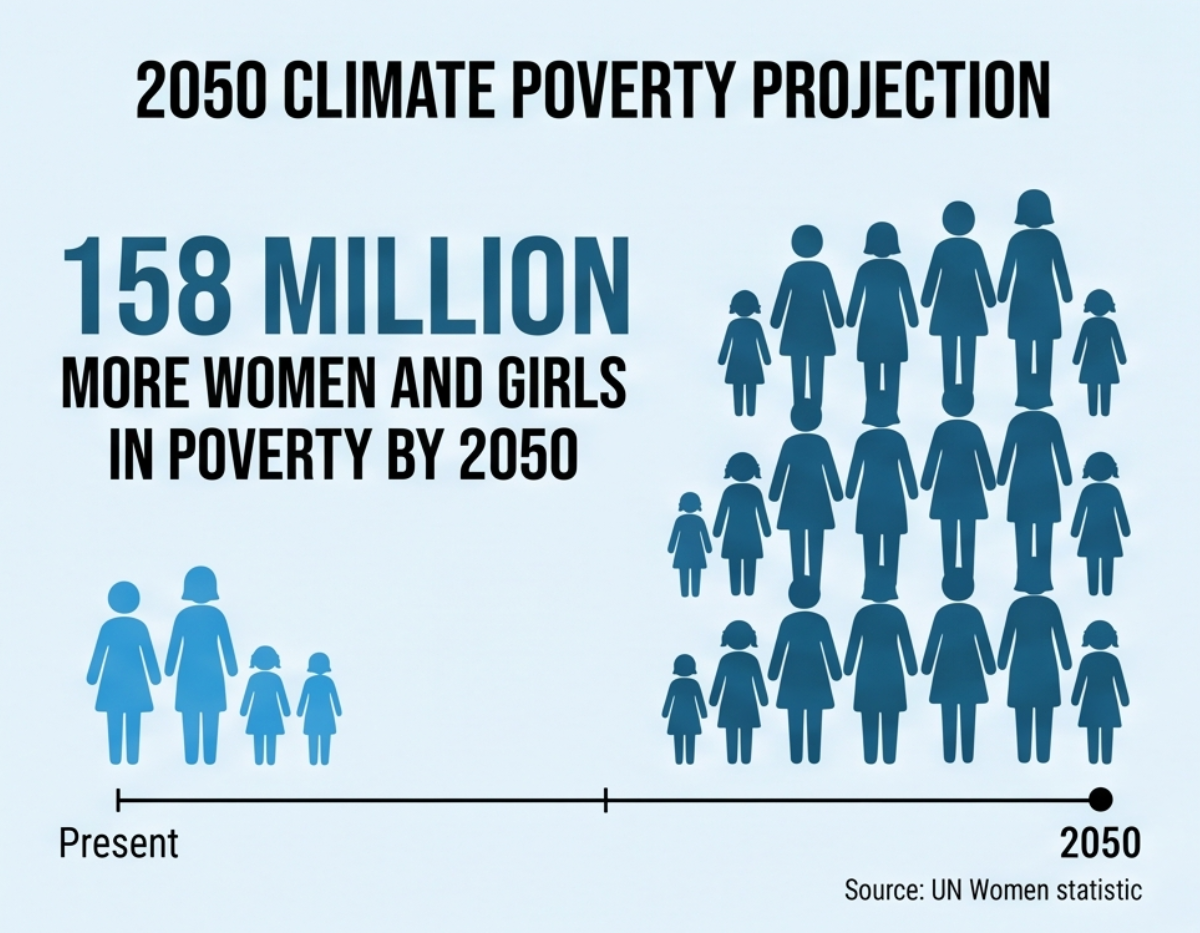
UN Women’s regional office for East and Southern Africa reports that women and girls in the region face a greater share of climate change impacts. This is often because they have less access to land, finance, technology and infrastructure compared to men. Globally, UN Women estimates that up to 158 million more women and girls could fall into poverty by 2050 as a direct result of climate change.
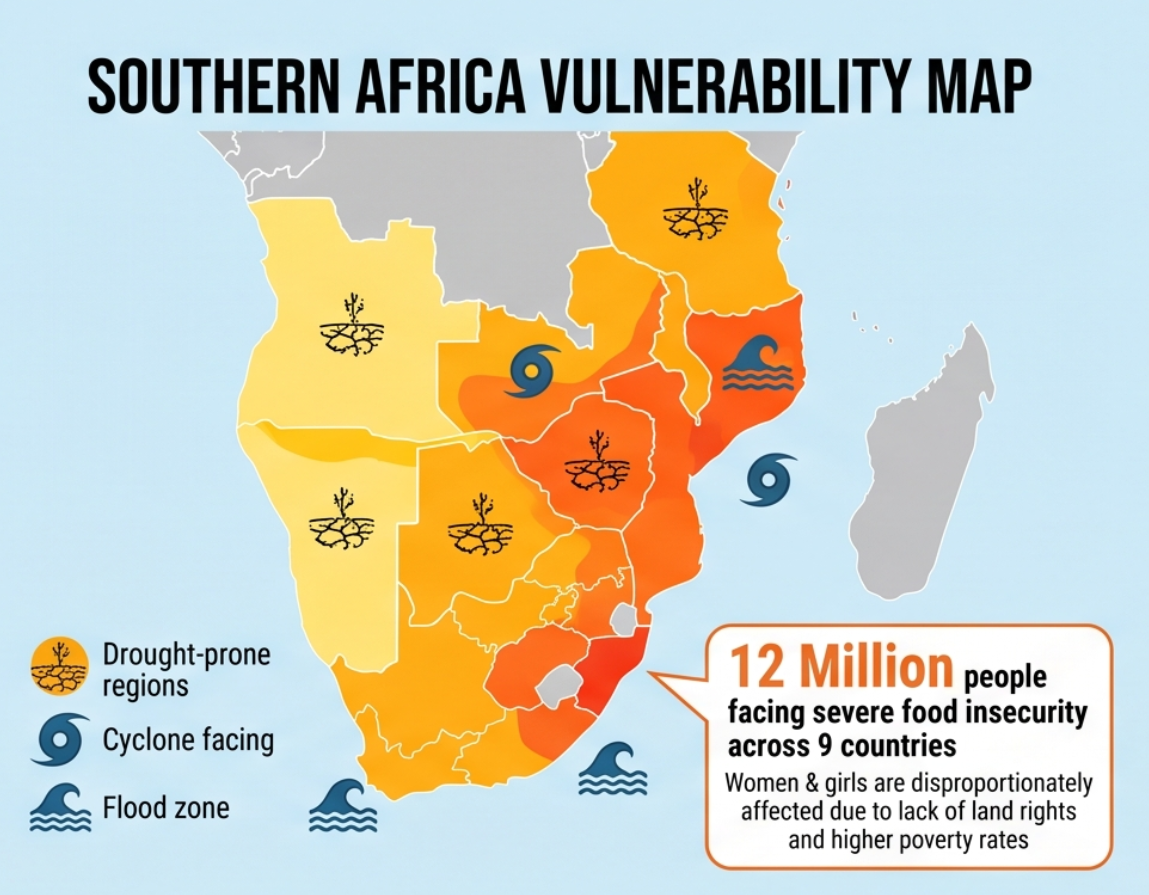
In Southern Africa, the United Nations has found that about 12 million people across nine countries are dealing with severe food insecurity caused by drought, cyclones and floods. Women and girls are especially affected, partly because they are more likely to live in poverty and lack secure land access, even though they play a major role in food production in many rural areas.
These are not just side statistics. They show who faces the physical and economic costs when the climate risks described in sustainability reports become real.
Why this should be part of the assurance discussion
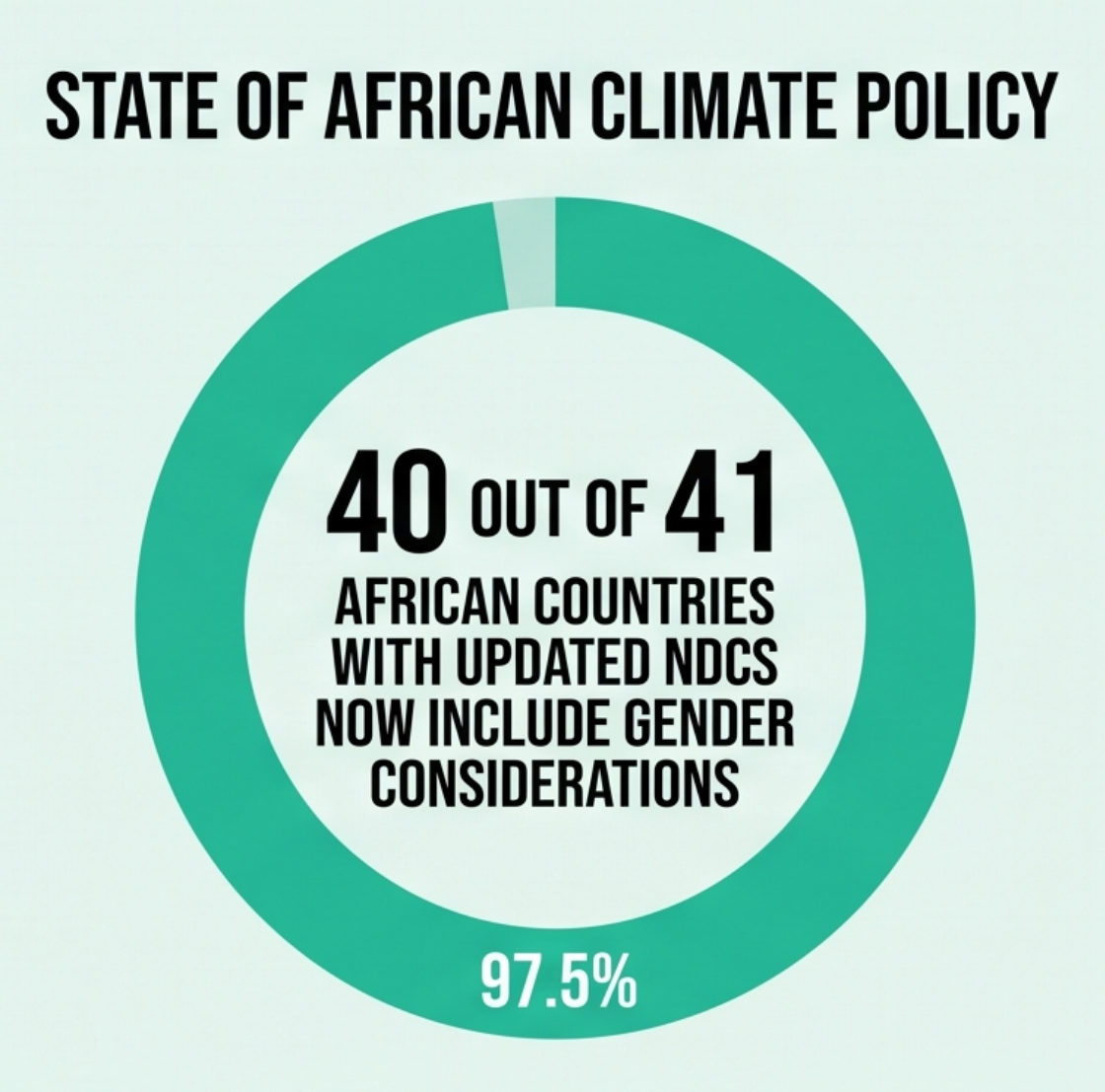
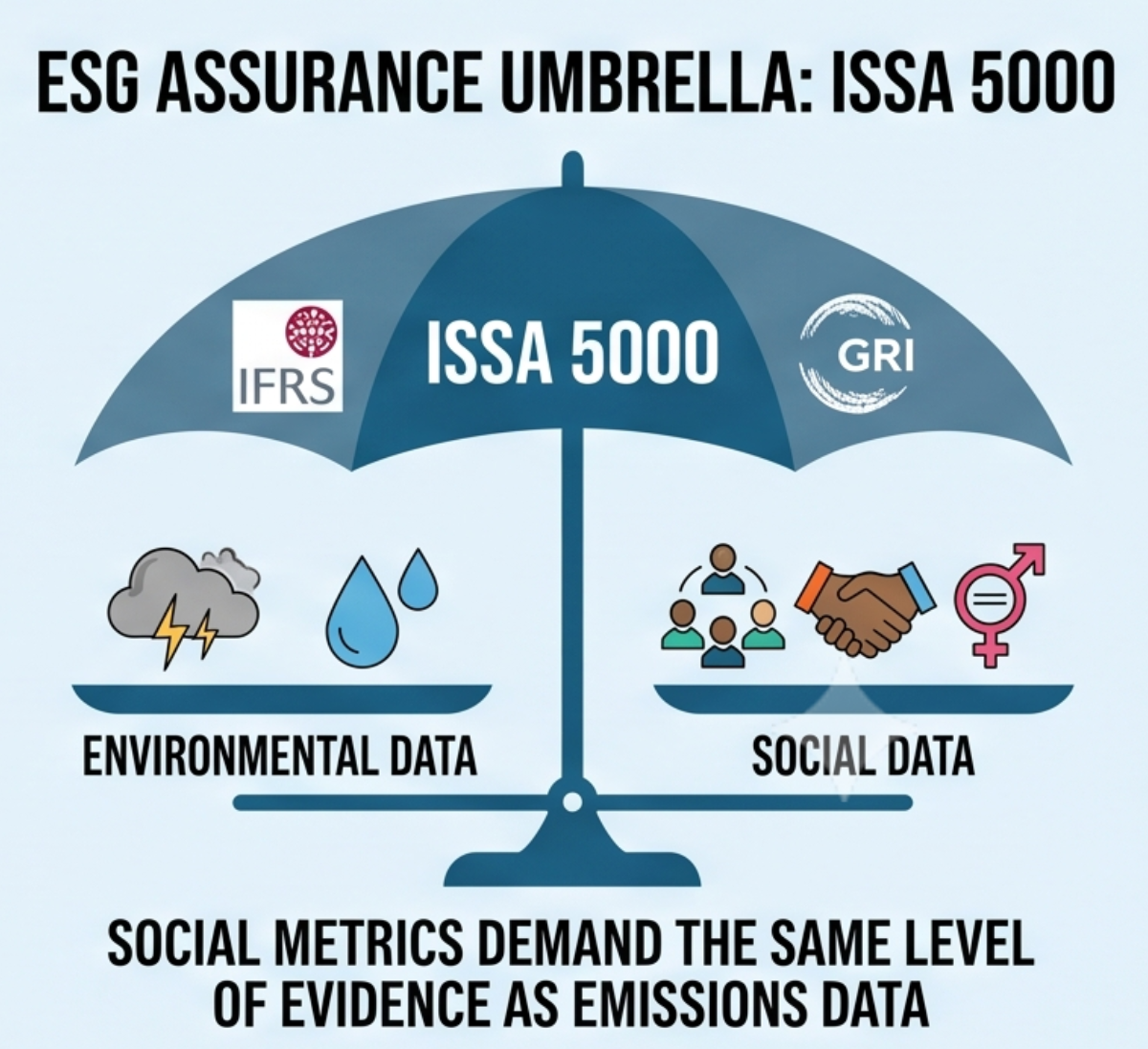
ISSA 5000 and the reporting frameworks it supports, such as IFRS S1/S2, ESRS, and GRI, do not limit “sustainability information” to emissions and environmental data. Social factors like workforce makeup, community impact and human rights are also included. By 2023, 40 out of 41 African countries with updated Nationally Determined Contributions had added gender considerations to their national climate plans. This shows that governments across Africa already see gender as important to climate policy, even if corporate sustainability reports have not always kept up.
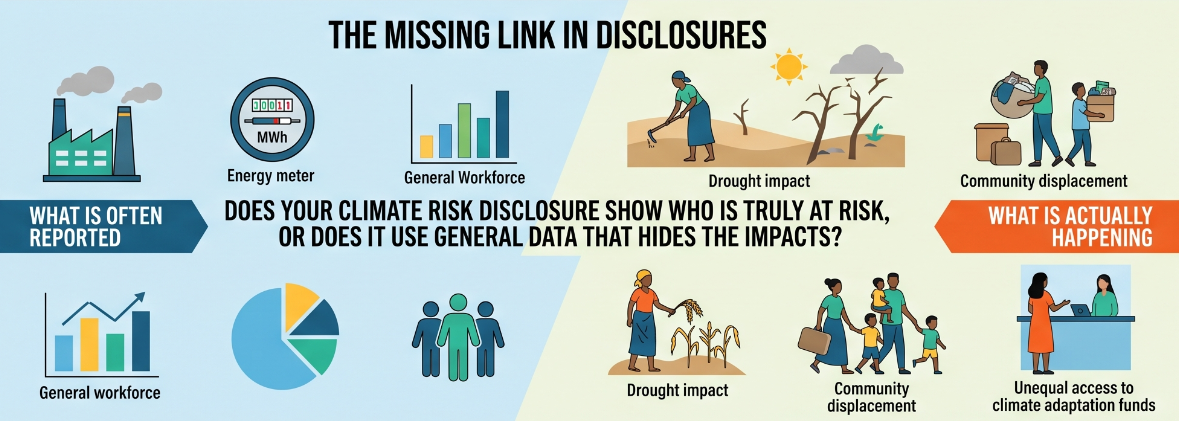
For organizations preparing sustainability reports, especially in sectors like agriculture, mining, and hospitality where many workers and affected community members are women, this leads to a key question: Does your climate risk disclosure show who is truly at risk, or does it use general data that hides the most serious impacts?
For assurance practitioners, social metrics should be treated with the same level of evidence as emissions data. If a disclosure talks about community climate resilience programs but does not break down who is helped, or if it describes workforce climate risks without mentioning gender differences in demanding land-based jobs, that is a gap that needs to be addressed, not just a matter of style.
Why bring this up in August
Women’s Month serves as a reminder, not just a headline. The main point is that sustainability information that ignores gendered climate risks is incomplete, and catching incomplete information is exactly why assurance is needed.
Sources: UN Women Africa, “Gender-responsive Climate Action in East and Southern Africa”; UNFPA ESARO regional briefing on climate change and gender; United Nations Sustainable Development Group, “The female face of Southern Africa’s climate crisis”; UNDP Climate Promise, “Women are key for the future of climate action in Africa” (NDC gender-inclusion analysis, 2023 baseline).