





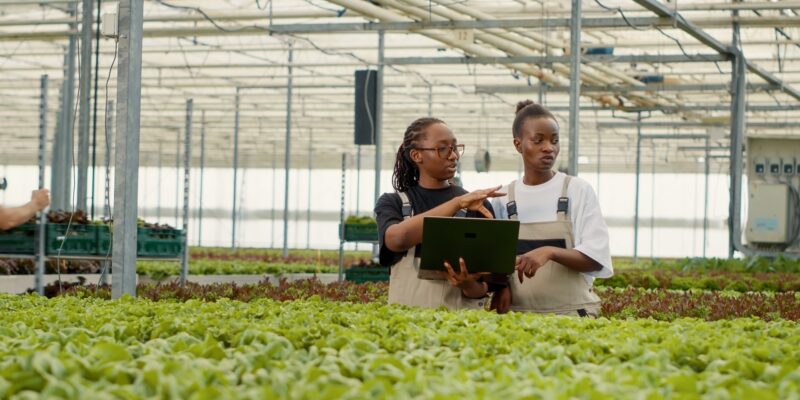
Sustainable agriculture is a farming approach that protects the environment, supports economic growth and promotes social well-being. It focuses on long-term sustainability by conserving natural resources, reducing pollution and encouraging biodiversity.
South Africa’s agricultural sector faces challenges such as food insecurity, water scarcity, land degradation and the growing impact of climate change, which brings more frequent droughts and floods. Poor rural infrastructure, globalisation, limited natural resources and a shortage of skills further strain the sector. Social issues like unemployment, poverty and food insecurity add additional pressure.
The Importance of Sustainable Agriculture
Sustainable agriculture helps strengthen food security by improving soil health, managing water efficiently and boosting crop resilience. Better farming practices can lead to higher yields and a more stable food supply for a growing population. It also assists in addressing water scarcity through efficient irrigation techniques and farming methods that conserve soil moisture and reduce runoff.
Protecting soil and preventing land degradation is another key benefit. Practices such as cover cropping, crop rotation and agroforestry reduce erosion, enhance fertility and promote biodiversity. These approaches also support poverty reduction by stabilising food prices and improving market access for small-holder and emerging farmers.
Sustainable agriculture further contributes to better health outcomes through nutrition awareness, safer food production and responsible use of pesticides, herbicides, fertilisers and vaccines. Promoting indigenous foods strengthens both nutrition and cultural heritage.
Key Sustainable Agriculture Practices
South Africa has vast potential for renewable energy, especially solar and wind power. Expanding these resources reduces reliance on fossil fuels and lowers greenhouse-gas emissions.
Conservation agriculture focuses on minimal soil disturbance, permanent soil cover and crop rotation. These methods help retain soil moisture, reduce erosion and strengthen soil health. Agroforestry, which integrates trees with crops and livestock, improves soil fertility, conserves water and enhances biodiversity through shade, windbreaks and organic matter.
Organic farming avoids synthetic fertilisers and pesticides, relying instead on natural processes. This improves soil quality, supports biodiversity and reduces environmental pollution.
Water security remains a major concern, encouraging efforts toward water conservation, efficient usage and improved wastewater treatment. The move toward a green economy is also gaining momentum, with investments in green industries, sustainable infrastructure and job creation.
The circular economy supports waste reduction and resource efficiency through recycling, reuse and remanufacturing. Alongside this, biodiversity conservation remains critical, as South Africa’s rich ecosystems face ongoing threats from habitat loss and human activity.
Conclusion
By embracing sustainable agriculture, South Africa can respond to its environmental, economic and social challenges while building a resilient and future-focused agricultural sector. Achieving these goals requires collaboration between government, businesses, farmers and conservation organisations. Investing in sustainable practices today will help secure a more equitable, productive and environmentally responsible food system for tomorrow.